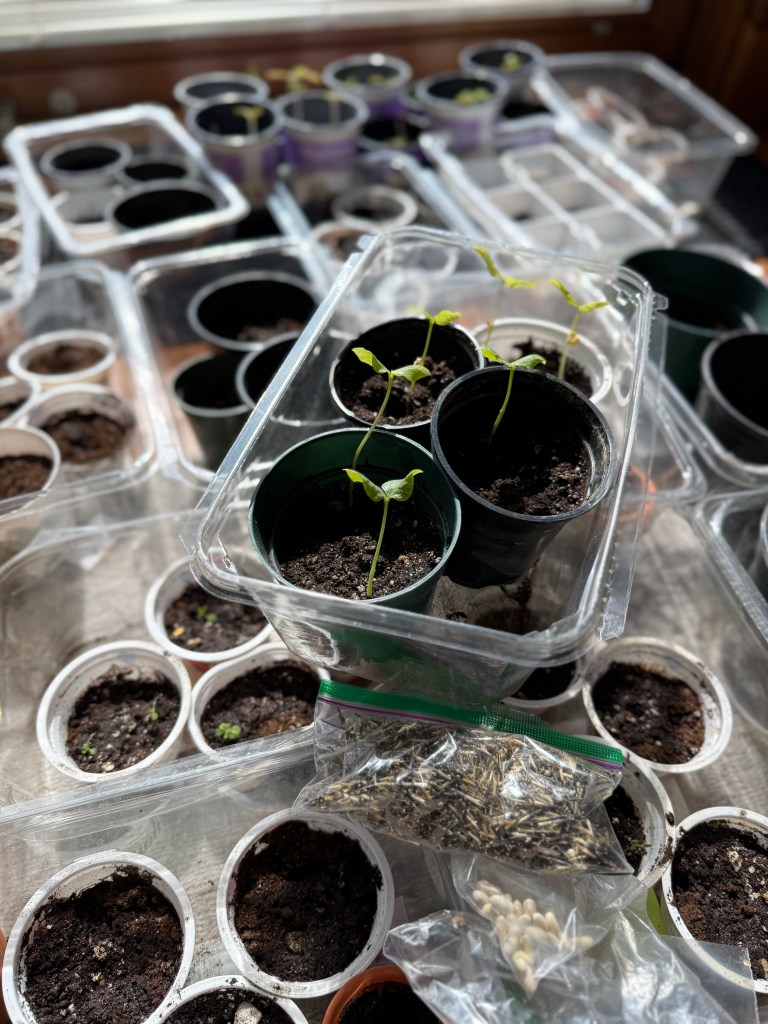
In February, I began my annual tradition of starting seeds indoors in preparation for my garden. This year I felt much more savvy and ambitious since I started the first round earlier than usual, providing plenty of time for any necessary replanting do-overs. As I waited, with some impatience, for the seedlings to sprout, it occurred to me how much death is a part of the gardening process. In a few months, my garden will be filled with plants that will last for a season, before eventually dying and being composted back into the ground, their seeds harvested for next year’s garden. Death, in a significant way, is a crucial part of life in a garden.
Thinking about death is not always pleasant. I used to try my best not to think about it at all, shuddering when something would inevitably trigger my thoughts to wander down the unknowable topic. However, over the course of the past few years, I’ve had to think about death a lot. Mainly because it has been an inescapable part of my family’s life; from addiction and subsequent violence to an unforeseen medical emergency, grief has led us on difficult journeys of multiple unexpected, sudden, and traumatic deaths, as well as ambiguous losses, in quick succession.
While death is universal, ubiquitous, and unavoidable, each loss is unique. I have learned this firsthand by navigating multiple layers of grief. As I have processed loss, I’ve realized that death confronts life in a myriad of circumstances. Whether the loss of a loved one, the loss of a long-held dream, the loss of a friendship or health or job or predictable, planned, anticipated future…there are innumerable ways death interjects itself into our daily lives. Death is an inescapable part of life, yes; however, the story doesn’t end there. The obverse is also true: life is a part of death.
I’ve had a chance to read many obituaries for family and friends as well as some for people I didn’t know. Several months ago, as I read through a family member’s obituary, an adjacently posted obituary of an individual whom I’d never met caught my attention. Reading through the summary of life for this stranger brought me an odd sense of peace and comfort. Despite not knowing this person, I felt the warmth of their life as I read about how they loved their family and friends, devoted invaluable time to their loved ones, and significantly impacted those closest to them. The continuation of their life felt palpable as I read how the love they shared continued to live on in the lives of their loved ones. I continued to read a handful of obituaries on the funeral home’s website, drawn into the stories of lives lived with love. What struck me was that the obituaries I found most compelling did not outline numerous professional accomplishments or elaborate lists of impressive endeavors. Rather, these life summaries offered glimpses into how each individual demonstrated and expressed love and dedicated their lives in service to those around them, living out the most basic and fundamental aspects of life through love in their relationships.
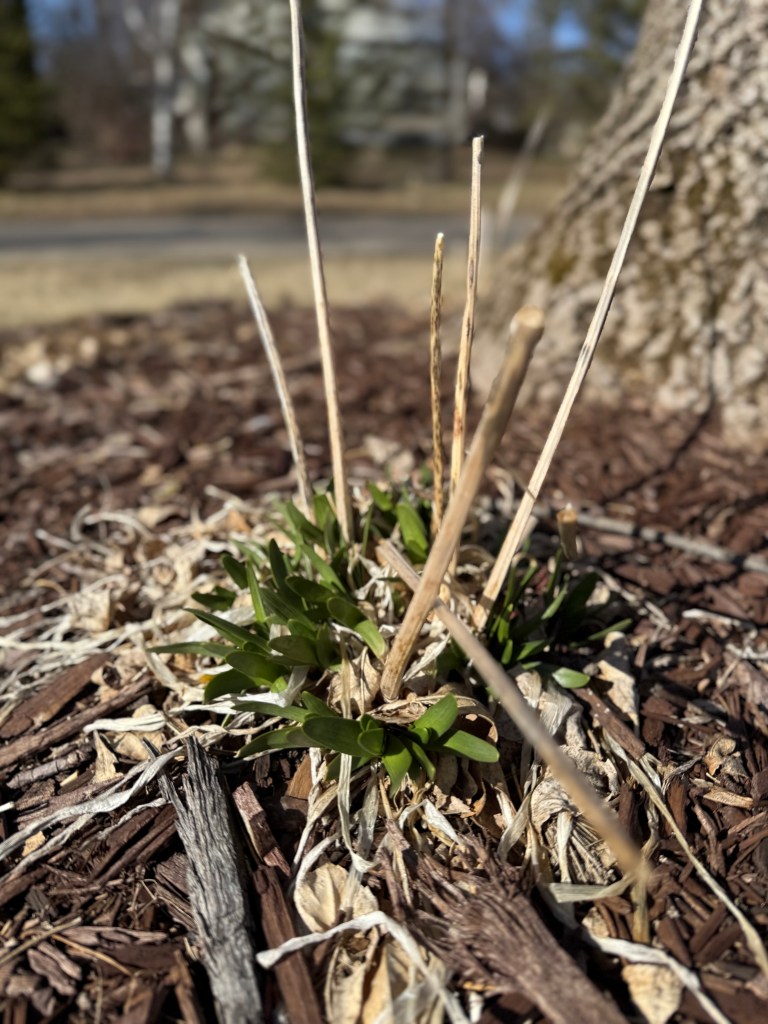
This has led me to think about my own life as I contemplate the ways in which I hope my own legacy and love will continue to grow even after I’m eventually gone. In many ways, the past few years of processing grief has caused me to think about death more than I previously have; it’s also caused me to think about life and how I hope to live and express my values and love to those around me in a way that will continue even after I’m gone. It’s a delicate balance, and one I’m still practicing, this dance between enjoying the here-and-now-moments and preparing for the inevitable, the fine line between appreciating deeply the present moment while recognizing its fleeting nature, the need to deepen my awareness for how I’m impacting the present without panicking over my own impermanence.
Reading obituaries and processing loss has given me an increased awareness for how connected we all are through love in life and also through death. For example, several years into my journey of processing the murder of a loved one, I realize now that my suffering is deeply relatable. While my grief is unique, my experience of sorrow is not. In a strange sense, this excruciating trauma has brought me into the whole of humanity and has produced empathy and connection in unexpected ways. I used to believe no one could relate to me; in typical teenage melodrama, I recall lamenting in my journal about how my emotions and struggles were exceptionally unique (No one understands me!). Now, I realize that my emotions, my experiences, my struggles, my life, my losses, are all woven tightly into the universal fabric of humanity through relationships, through love. As I’ve continued to grieve the deaths of loved ones, I have developed a renewed appreciation for their lives, their legacies, influence, memories, and love that continues even after their death. Everyone’s experience of this will be different, but for me I’ve done my best to carry memories forward by sharing stories, pictures and just reminiscing on their personalities, values and perspectives, phrases they repeated often, likes and dislikes. In a way, I will always carry with me a little part of the lives of loved ones who have died. Through life and even in death love continues to connect us.
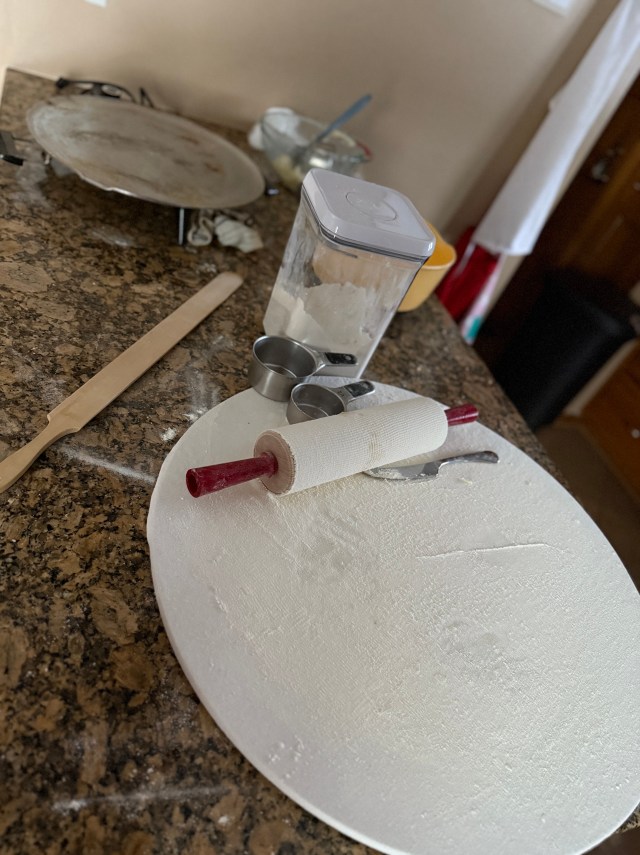
This past holiday season, I experienced another reminder of connectedness. Having received a lefse griddle, roller, and pastry board for my birthday, I was excited to share a longstanding family tradition of making lefse, a Norwegian potato-based treat, with my kids and husband. As I carefully rolled the dough, I experienced a strange sensation of connection to my family stretching back generations over this simple dish. I thought about how this tradition had been carried forward, how countless previous family members had participated in the same rhythms of gathering with loved ones to prepare and enjoy this treat, and how my participation in this ritual connected me to countless others through tradition. This unexpected awareness caught me by surprise as I took a moment to consider the numerous ways that connectedness with others, even those who have died, shows up in life.
As spring slowly thaws into summer, and my seedlings continue to grow from tiny sprouts into stronger plants, I know this year’s garden process will help remind me of the intertwined nature of life and death. While thinking about death and processing grief is still incredibly difficult, I am growing in my awareness of how it is a part of life and how love is woven throughout. And as I continue to grieve for those I’ve lost, I know that in some ways we will always, through life and in death, remain connected through the love that holds us all together.
Wendi is co-author of The Unexpected Ever Afters blog and enjoys sipping extra hot coffee, sharing a love of reading with her kids, and exploring bike trails.
photo credit: personal photos
 the unexpected ever afters